HOME | INTERVIEWS | CONTACT | ABOUT US | LINKS


CURRENT / FEATURED INTERVIEWS

Chris Burke interviewed about the machinima talk show “This Spartan Life”

May 14th, 2009

tsl_promo_large

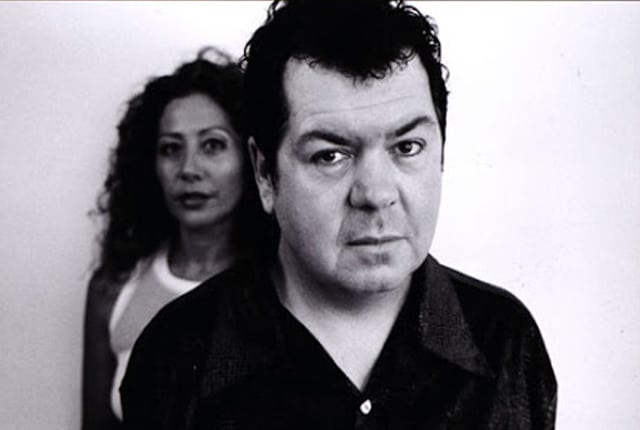
Chris Burke was originally interviewed by Chaos Control way back in 1994, when he and his brother Dan comprised the band Glorified Magnified. Chris is still doing music, notably chiptune under the name Glomag, but he’s also doing a very unique ‘machinima’ series called ‘This Spartan Life.’ It’s a talk show where interviews are conducted within networked Halo games and shot by virtual cameramen. Guests on the show have included filmmaker/video artist Peggy Ahwesh, ‘The Raiders Guys’ (who as kids did a shot-for-shot remake of “Raiders of the Lost Ark”) and former Sex Pistols manager Malcolm McLaren. In an email interview, Chris told us about the show and the process behind it.

CLICK HERE TO READ THE INTERVIEW


Rare US performances from In The Nursery

May 5th, 2009

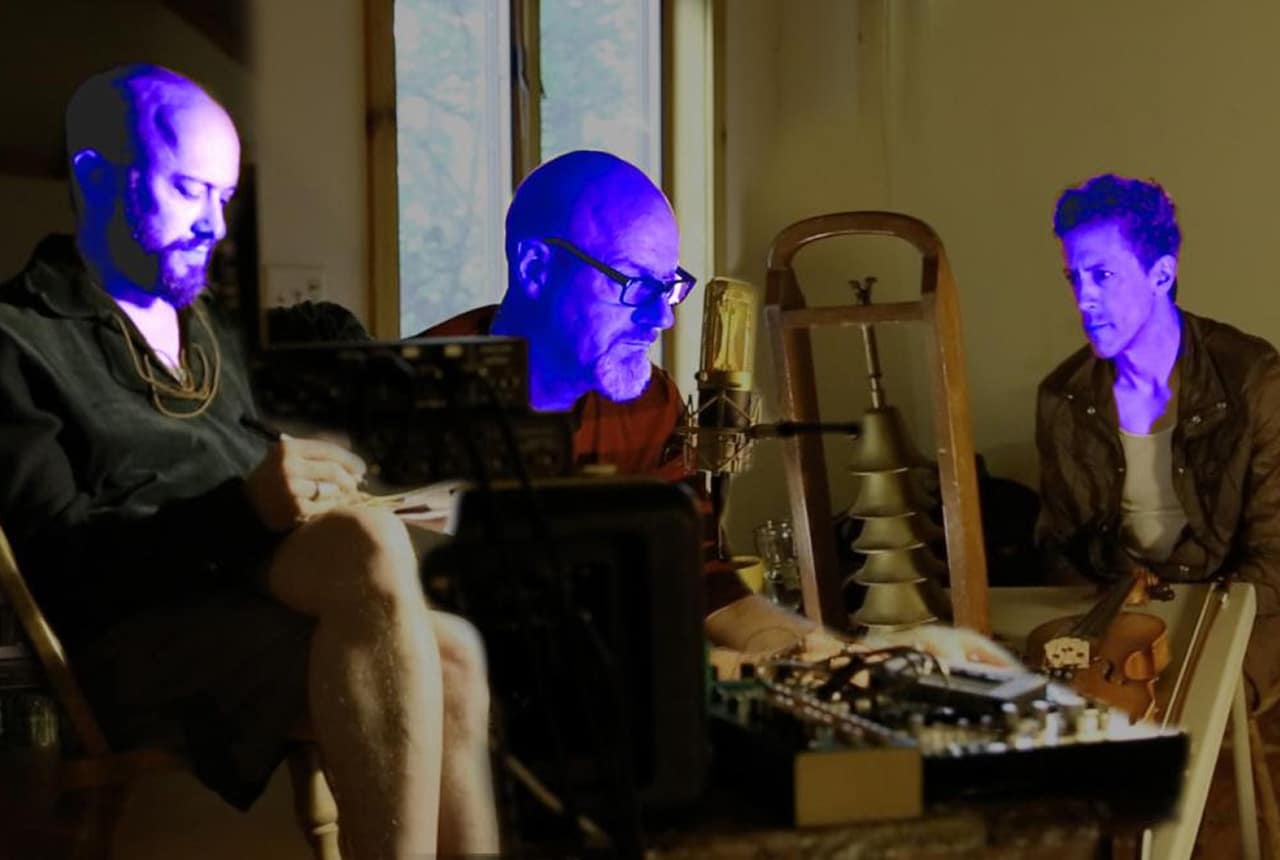
itnFrom their more industrial early work to their later explorations of classical and ambient sounds, In The Nursery have always had a cinematic edge to their music. Comprised of twin brothers Klive and Nigel Humberstone, the group has taken this aspect of their sound to the next level in recent years with their Optical Music Series. This series consists of new soundtracks to classic silent films, which are released on CD  and performed live with screenings of the films. They recently did two such performances in CA, and Klive took the time to tell us a bit about it by email.

1) Are these your first performances in the US?

KH: We actually performed last November in LA, presenting ‘The Passion of Joan of Arc’ at The Silent Movie Theatre.
That show gave us the impetus to arrange some more. So this time we are playing at Grace Cathedral in San Francisco on 11th May and then ‘A Page of Madness’ at The Silent Movie Theatre in LA [on May 17th].  We are also quite keen to find the right venue in New York to take our Optical Music scores to – a show in NY is long overdue!

2) Can you describe the process of the “Optical Music Series” a bit?

KH: As with all OMS scores we view the film and log cue points for sections of music. Then we start putting together a collection or palette of sounds with which to write the music. It’s often useful to limit ourselves to a specific sound spectrum but the types of sounds, samples and timbres are usually dicatated by the film and what needs to be expressed. For instance, with ‘A Page of Madness’ we used samples of traditional Japanese instruments like the plucked Koto and expressive Shakuhachi flute. We edited and layered these sounds to give them their own identity within the compositions and combined them with other electronic and percussive elements.

Certain sounds obviously didn’t fit with the atmosphere that we were trying to create for film – for example symphonic strings. Instead we used a very thin sounding solo string harmonic.

3) Are these soundtracks generally comprised of completely new compositions, or do you perhaps look to previously unused/unfinished music/musical ideas that you think will fit on?

KH: Most of the latest scores are completely original compositions. I think the only exception was with the first soundtrack we did, ‘The Cabinet of Dr Caligari’ back in 1995. At the time we adapted a couple of tracks from our Les Jumeaux side-project. The score was originally intended as a one-off performance and never intended to be released on CD, or performed again. We have learnt a lot since then – The optical music scores are created and composed to exist on their own.

4) Have the film projects become the focus of In The Nursery? (as opposed to traditional albums)

NH: The film soundtracks add a variety to our work, but not a main focus – we generally alternate between studio album and soundtrack.

5) What else is in the immediate future for you?

KH: During the summer, we are putting aside some ‘quality’ time to record new material.
In August we head over to Hong Kong for a series of Optical Music score events and an ITN masterclass session

For more info on In The Nursery, check out this Chaos Control interview from 1993, as well as their official site.


From the archives – The The vs the internet

April 29th, 2009

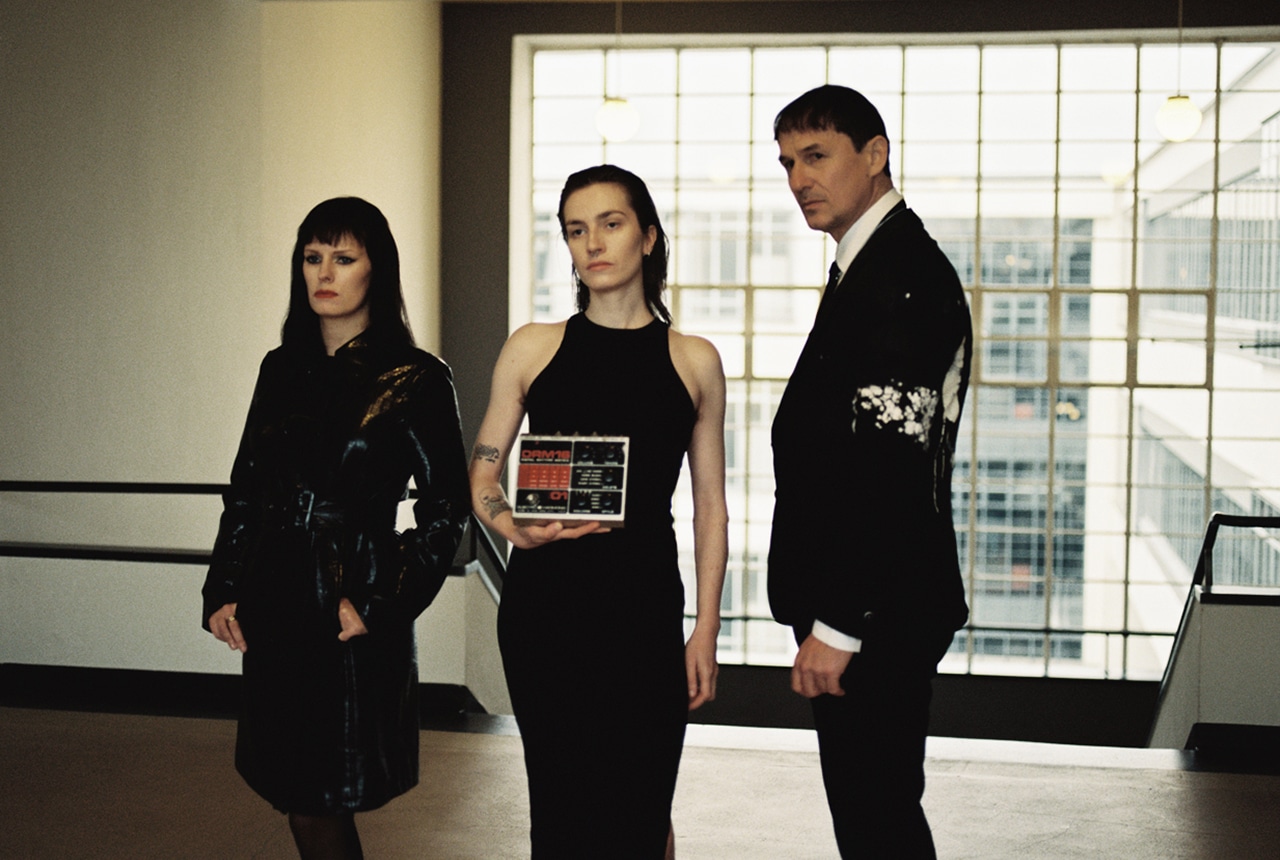
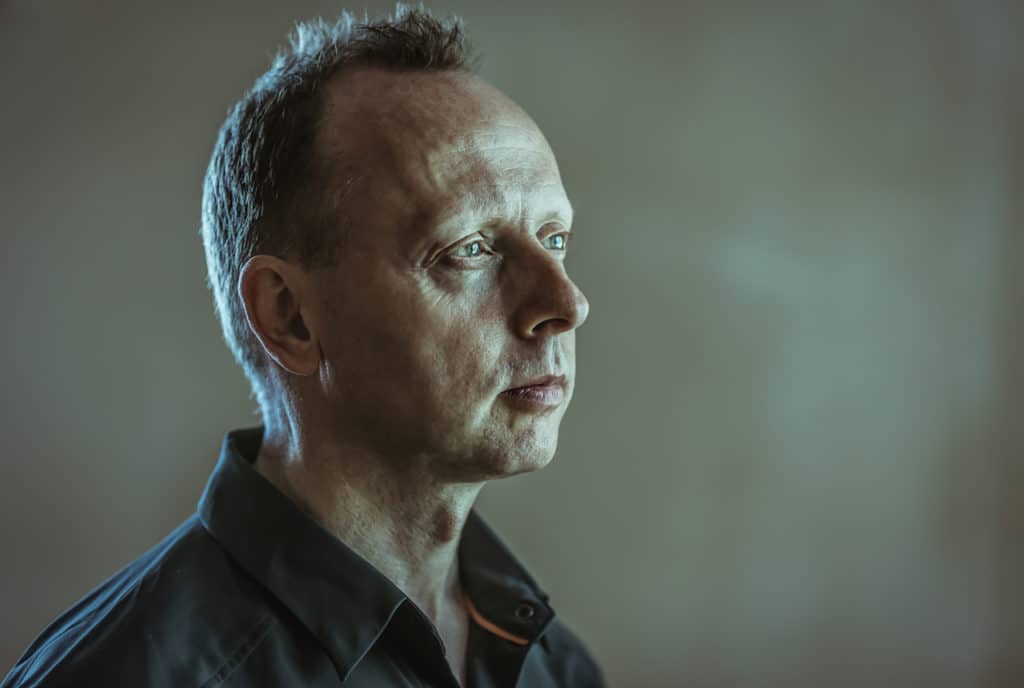
The TheBy making it possible to bypass traditional media and distribution channels, the internet has proven to be a powerful medium for bands and music fans to connect. New artists willing to put in the effort can now reach mass audiences without a record deal, and established acts who might not get the media attention they once did can easily reach long-time fans. But what if you happen to have a name that actually makes it more DIFFICULT for people to find you?

One such band would be The The – searching for “The The” tends to bring up many more non-relevant listings than a query for a lesser-known band who has more unique words in their name. Curious as to what The The’s principle member Matt Johnson thinks about that, I contacted him through his management. Here’s what he had to say:

“Yes, this is certainly an interesting question you raise. It has been raised before and of course I have thought about it and received numerous complaints about it too. Obviously, I cannot change the name of my band at this late stage but what we have tried to do is to get Sony (who own the bulk of the back catalogue) to contact the various online retailers to tweak their search engines to accommodate the name. Some have responded to this, iTunes, Amazon for instance. Some have yet to do this. It also depends on how you type the name – The The, “The The”, TheThe.

Looking at the brighter side, it does make it harder to find unauthorized recordings, bootlegs, free downloads of The The, which I’m quite happy about. Also, in the Internet Age when people are becoming increasingly spoilt and expect to find anything/everything they want instantly maybe it’s a good thing that TheThe has gone back to being the underground, word of mouth band it always was? Maybe it’s good for people to have to dig around a little to find the things they want rather than having everything served up to their ears instantaneously and with barely a finger lifted?”

Visit the official The The website

(Originally published in October, 2006. Photograph by Johanna Saint Michaels)


Sascha Konietzko of KMFDM interviewed

April 22nd, 2009

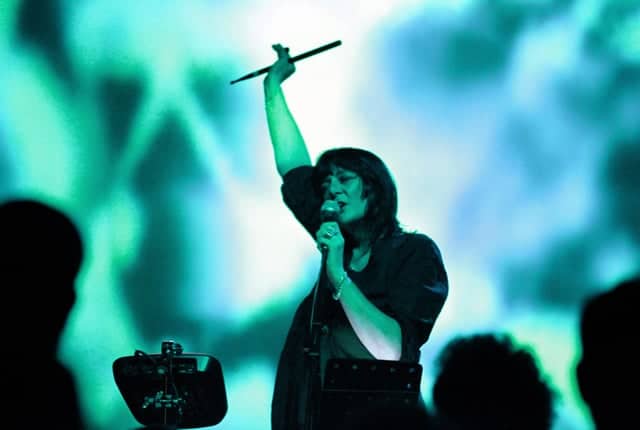
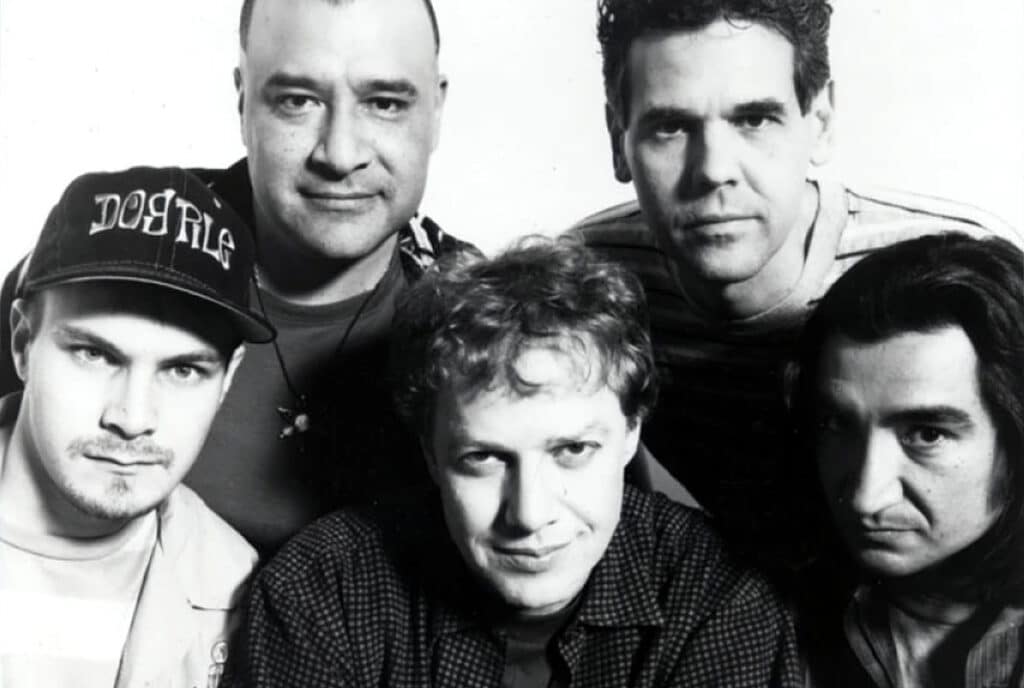
kmfdm_home2009 marks the 25th anniversary for industrial/electronic rock band KMFDM, but founding member Sascha Konietzko feels that it’s “really just another year in an ongoing love affair.” In a phone interview from Germany, the ever prolific Konietzko discussed the new KMFDM album (”Blitz”), covering the Human League, his creative process, and more.

Having done music for so long, do you ever listen to and perhaps get inspired by your older work?

I don’t really. For me, honestly, when I’ve made a record I’m usually so done with it that I don’t want anything to do with it for a long time! [laughs] Then it happens, after a couple of years–I’ll hear something and think ‘what is that?’ Then ‘oh, shit, it’s a KMFDM song!’ It’s interesting, but I don’t really look back at what I’ve done before in order to get new ideas. It’s exciting enough to really come up with new stuff.

Are there any older albums that new fans catching up on KMFDM seem to particularly get into?

Well the one thing that really comes to mind is something I hear a lot. ‘I got turned on to you guys by so and so, that was 2 months ago, and by now I own 5 of your albums. There doesn’t seem to be much of a middle ground. I don’t think a lot of people think of KMFDM as mediocre. You can only really hate it or love it. There is no middle ground – if you don’t like it then you absolutely dislike it.

Looking back, is there anything that you think KMDFM tried musically that didn’t quite work?

Well, I would say this. When I spend a couple of hours on something and I don’t think it’s going in the right direction, it usually means for me to abort it. Just like anyone else, I want to see results and I want to be rewarded. If I fiddle around with some idea and it doesn’t work to get, say, this triplet to work with a 4 on the floor kind of thing no matter how I try, it just doesn’t work, then usually it’s the trash bin. On the other hand there are sometimes tricky things that take some time, but I have a feeling they will work. I’m not sure how, but it’s not a dead end. Often times it happens in such a away that an ingredient gets made or found or whatever for one specific track or an idea, and it becomes the new focus of it. So I’m willing to throw the rest of the stuff overboard to accommodate the new idea. That happens actually quite a bit.
You’re calling from Germany – are you based there now?

Yeah, I left Seattle about a year and a half ago. I just wanted to have European soil under my feet.

CLICK HERE TO READ THE FULL INTERVIEW!